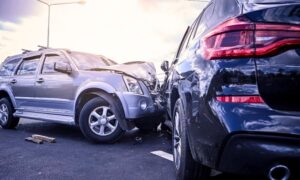
You won’t need an explanation of how quickly things may spiral out of control if you have ever been in a car accident in Manhattan. You’re driving down Third Avenue and planning your next turn when all of a sudden you hear horns blaring, metal cracking, and your heart pounding. “How am I supposed to prove what actually happened?” is a perfectly natural question to ask yourself in the midst of all that chaos. The majority of victims do, and even a skilled car accident lawyer Manhattan would tell you that obtaining reliable proof is one of the most difficult things to do following a crash.
Fortunately, you have possibilities with today’s technology that you may not even be aware of. Data from smartphones and traffic cameras can be extremely useful tools, capturing moments you were unable to witness, remember vividly, or record yourself. Let’s go over how this kind of evidence works and why it so often becomes the key to figuring out what really happened in a car accident case.
Why Traffic Camera and Phone Evidence Has Become So Important
Manhattan is fast-paced, crowded, and full of distractions. In the moment of impact, people freeze, panic, or mix up the order of events. Even well-meaning, honest witnesses can get things wrong. That’s where digital evidence helps. It’s objective. It doesn’t get nervous, and it doesn’t forget.
Traffic camera footage and phone data can show:
- A clear picture of what happened before and during the crash
- Reliable timestamps
- Information that witnesses didn’t notice
- Evidence that contradicts false claims
This type of documentation can make all the difference when seeking insurance benefits or proving liability, making the claim process smooth rather than frustrating.
Understanding Manhattan’s Traffic Camera System
Thousands of cameras cover New York City on bridges, at intersections along avenues, in tunnels, and even on buses. Manhattan, especially Midtown and Lower Manhattan, is one of the most heavily monitored areas in the city.
You will typically see two kinds of cameras that matter in accident cases:
- DOT Cameras
These cameras monitor traffic flow. They are everywhere, but most of them display only live feeds, meaning they do not record footage automatically. If you want a recording, you might need to act fast, sometimes very fast, before the footage is replaced.
- Red-Light and Speed Cameras
These are the cameras that snap a photo or record a short clip when a driver runs a red light or speeds through an intersection. They weren’t designed for accident investigations, but sometimes they capture the critical moment leading up to a crash, such as a driver running a red light.
Because these systems overwrite data in a very short period of time, even waiting days may mean losing evidence forever. Timing is everything.
How Lawyers Obtain Traffic Camera Footage
The thing is, many people think they can just go online and download the footage themselves. Unfortunately, it’s not that simple.
Access to recordings of traffic cameras usually involves:
- A formal request
- A subpoena
- Communication with the NYPD or NYC DOT
- Fast action before the footage gets deleted
The attorney will know who to call, which forms to file, and how to legally force the agencies to preserve the video. If that window is missed, it can substantially reduce the potential value of a case, particularly where the footage clearly would have shown the other driver speeding, running a red light, or cutting someone off.
What Traffic Camera Footage Can Reveal
Even a few seconds of video can be incredibly revealing.
For example, footage could show:
- Which driver had the green light
- If someone was speeding or tailgating
- Whether a turn was made illegally
- Pedestrian or cyclist movement
- Weather or visibility problems
- Vehicle positions before and after impact
Imagine two drivers, both insisting they had the right of way. A short video clip can settle that argument in an instant.
How Cell Phone Data Can Strengthen a Claim
Smartphones have an even more prominent role in accident cases than people imagine. Since nearly everyone carries one, they can be used to confirm or disprove claims about distracted driving.
Phone data can indicate:
- If the other driver was texting right before the crash
- Whether they were on a call
- What applications were open
- Location information
- Activity timestamps
In multi-vehicle accidents or hit-and-run incidents, telephone records can help confirm a driver’s location at the time of the collision.
Is Cell Phone Data Easy to Get?
Not really. Phone companies are extremely protective of customer information, so accessing it requires:
- A legal request or subpoena
- A valid reason to believe phone use played a role
- Cooperation from the carrier
This is another example of where speed matters. A lawyer may request the records early in an effort to have them before carriers delete the older data.
When Digital Evidence Makes the Biggest Difference
The relevance of digital evidence extends to all types of accidents, but it is particularly helpful when the truth is not immediately obvious.
- Disputed Fault
If one or both drivers claim innocence, video and phone data can break the tie.
- Hit-and-Run Crashes
Cameras, at times, catch a license plate or a getaway route.
- Accidents Without Witnesses
It could be the only unbiased record if no one stayed behind to help.
- Suspected Distracted Driving
Of all the ways to prove texting while driving, the strongest tools are phone records.
- Severe Injury Cases
The more serious the injuries, the harder insurance companies fight.
Strong evidence is key in that case.
How Lawyers Use This Evidence in New York Cases
Obtaining the footage is only the beginning. To understand it is where the real strategy comes in.
A lawyer may:
- Bring in accident reconstruction experts
- Compare the video with skid marks or debris patterns
- Match timestamps with 911 calls
- Challenge false statements from the other driver
- Use video to negotiate the price with aggressive insurers
Local knowledge also matters. For instance, a car accident lawyer Bronx will know offhand where some hazardous intersections and camera placements are; an accident lawyer Queens will know which DOT cameras usually capture full video rather than live-only footage.
It really helps to know how the city works.
Acting Quickly Is Essential
Evidence doesn’t wait around:
- Traffic footage gets deleted.
- There are limits for phone data retention.
- Witnesses forget that Insurance companies move fast to shape the narrative.
The sooner someone starts gathering evidence, the better their chances of building a strong claim.
Conclusion: Digital Evidence Can Level the Playing Field
In Manhattan, car crashes are overwhelming, excruciating, and unsettling. Discussing what “really” happened is the last thing you want while you’re trying to recover and get your life back on track. This is where phone data and traffic camera footage come in; they provide assurance when things seem uncertain. These help protect your rights, clarify the facts, and prevent insurance companies from exploiting you due to uncertainty or poor memory. But with the right guidance and rapid response, digital evidence can be one of your most powerful allies in efforts toward recovery and clarity.