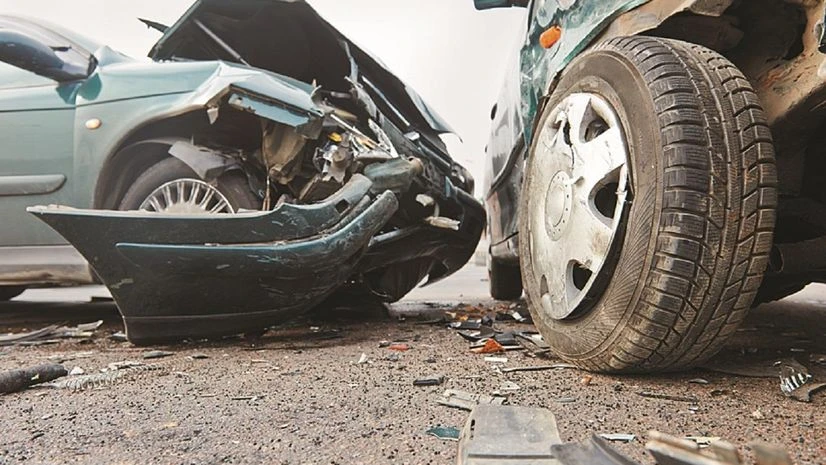
Car accidents rarely unfold in a perfectly clear way. In many cases, more than one driver may share responsibility for what happened. Idaho follows a legal rule known as comparative negligence, and this rule can significantly impact how much compensation someone receives after a crash. For drivers in Boise and throughout the state, understanding comparative negligence is essential when dealing with insurance claims and potential legal action.
What Is Comparative Negligence?
Comparative negligence is a legal principle used to assign fault when multiple parties contribute to an accident. Instead of placing all the blame on one driver, the law looks at the actions of everyone involved. Each person is assigned a percentage of fault based on their role in causing the collision. This percentage directly affects how much compensation they can recover for damages such as medical expenses, lost wages, and property damage.
Idaho follows a modified comparative negligence system. Under this rule, you can recover damages as long as you are not found to be 50 percent or more at fault. If your share of fault reaches 50 percent or higher, you are barred from recovering compensation from the other party. This threshold makes fault determination especially important in Idaho accident claims.
How Fault Percentages Affect Compensation
When comparative negligence applies, your compensation is reduced by your percentage of fault. For example, if your total damages equal $20,000 and you are found to be 25 percent responsible for the accident, your recovery would be reduced by 25 percent. In this case, you would receive $15,000 instead of the full amount.
This system aims to fairly distribute financial responsibility based on each party’s contribution to the crash. However, it also means that even small findings of fault can significantly impact the final settlement or court award. Insurance companies often focus closely on fault percentages because reducing their insured driver’s share of responsibility can lower the amount they must pay.
Common Situations Where Comparative Negligence Applies
Comparative negligence frequently comes into play in everyday driving situations. For example, one driver may have been speeding while another failed to signal before changing lanes. In intersection accidents, one driver might run a yellow light while the other was distracted. Rear-end collisions can also involve shared fault if the front driver stopped suddenly without a valid reason.
In each of these situations, investigators examine the actions of both drivers. Even if one person clearly made a mistake, the other driver’s behavior may still be considered when assigning fault. This is why careful documentation and accurate reporting are so important after a Boise car accident.
Evidence Used to Determine Comparative Fault
Several types of evidence help determine how fault is divided. Police reports often provide an initial assessment of what happened and may include citations for traffic violations. Photos of the scene, vehicle damage, skid marks, and road conditions can support or challenge claims about how the accident occurred. Witness statements can offer additional perspectives, especially when drivers disagree about the events leading up to the crash.
Insurance companies review all available evidence when deciding how to assign percentages of fault. In more complex cases, accident reconstruction specialists may be brought in to analyze speed, impact angles, and vehicle positions. The more detailed and accurate the evidence, the more fairly fault can be evaluated.
Why Comparative Negligence Matters for Boise Drivers
Understanding comparative negligence helps drivers know what to expect during the claims process. Even if you believe the other driver caused the accident, your own actions may still be examined. Something as simple as slightly exceeding the speed limit or failing to use a turn signal could influence your share of fault.
Because Idaho’s system prevents recovery if you are 50 percent or more responsible, disputes over fault percentages can become a major issue. Drivers often look for clear explanations of how these rules work and what steps they should take after a crash, including reviewing legal information about local accident claims and procedures, such as the resources available at Attorneys of Idaho.
Protecting Yourself After an Accident
There are several steps drivers can take to protect themselves in a comparative negligence situation. First, document everything at the scene if it is safe to do so. Take photos, gather witness contact information, and write down details while they are fresh in your mind. Second, seek medical attention promptly, even if injuries seem minor. Medical records can connect your injuries directly to the accident. Third, report the accident to your insurance company and provide accurate information without speculating about fault.
Avoid admitting blame at the scene, as fault determinations require a full review of all evidence. Statements made in the moment can later be used to assign a higher percentage of responsibility than may be fair. Staying calm and focused on gathering information is one of the best ways to protect your interests.
Conclusion
Comparative negligence plays a central role in Idaho car accident claims. By assigning fault percentages to everyone involved, the law ensures that compensation reflects each party’s level of responsibility. However, this system also means that your recovery can be reduced or even eliminated if you are found mostly at fault. Understanding how comparative negligence works, what evidence is used, and how to protect yourself after an accident can make a significant difference in the outcome of your claim. For drivers in Boise and across Idaho, being informed about these rules is an important step toward navigating the aftermath of a car accident with confidence and clarity.